What Defines an Oriental Rug and Why It Matters for Cleaning
Oriental Rug Basics: Definition, Care, and Cleaning
Oriental rugs are renowned for their beauty, craftsmanship, and cultural significance. However, what truly sets them apart is how they are made. They are constructed using traditional methods and natural materials that require a specialized approach to care. Improper cleaning methods can damage fibers, cause dyes to fade, and create a range of other problems for your Oriental rug.
Discover more about what makes your Oriental rug special and how Aegis Fine Rug Cleaning can help you protect its beauty and structural integrity.
What Is an Oriental Rug?
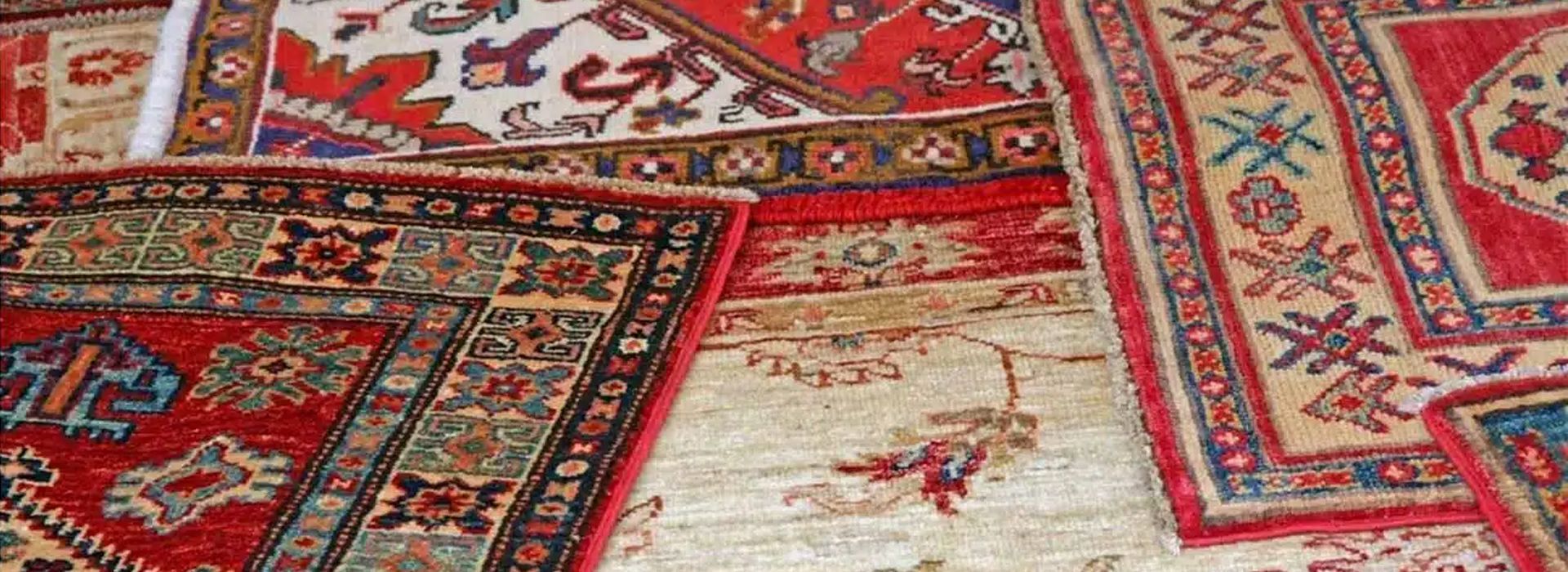
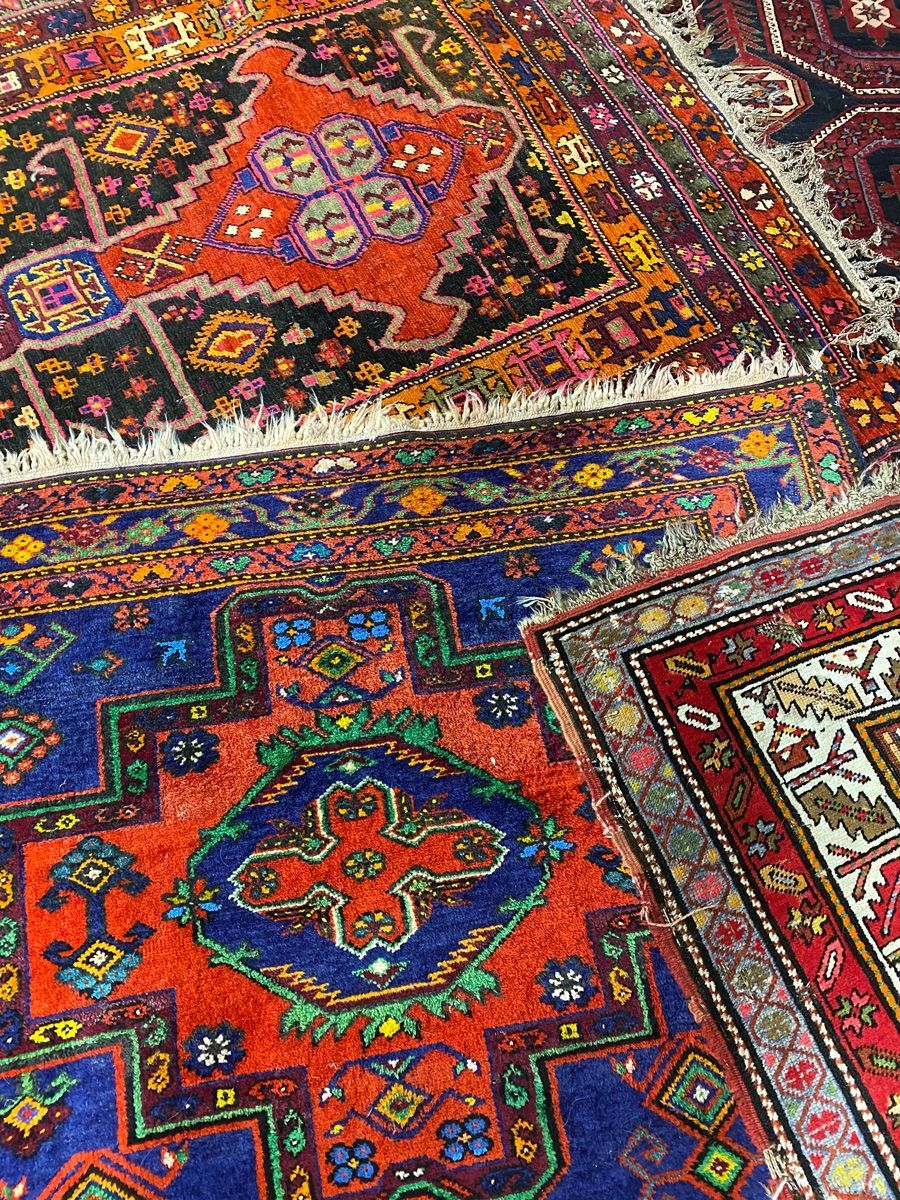
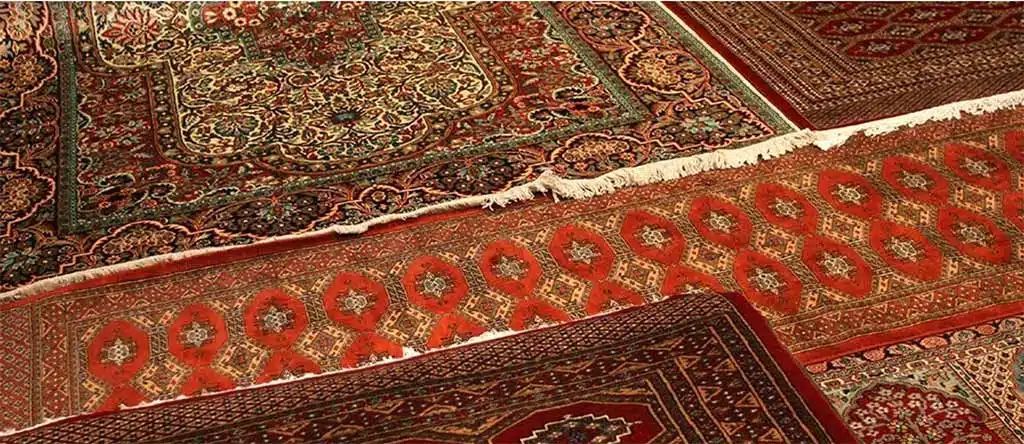
The term Oriental rug refers to a handwoven rug that originates in regions across Asia, including Iran, India, Turkey, and China. These rugs are typically made using natural fibers such as wool, silk, or cotton and are known for their intricate patterns and rich color palettes.
Unlike mass-produced rugs that are manufactured by machines, Oriental rugs are typically created by skilled artisans who utilize techniques that have been passed down from one generation to the next. Each rug reflects cultural traditions and individual craftsmanship. Since each piece is handmade, no two Oriental rugs are exactly alike, which makes yours a one-of-a-kind piece of art.
Key Characteristics That Define Oriental Rugs
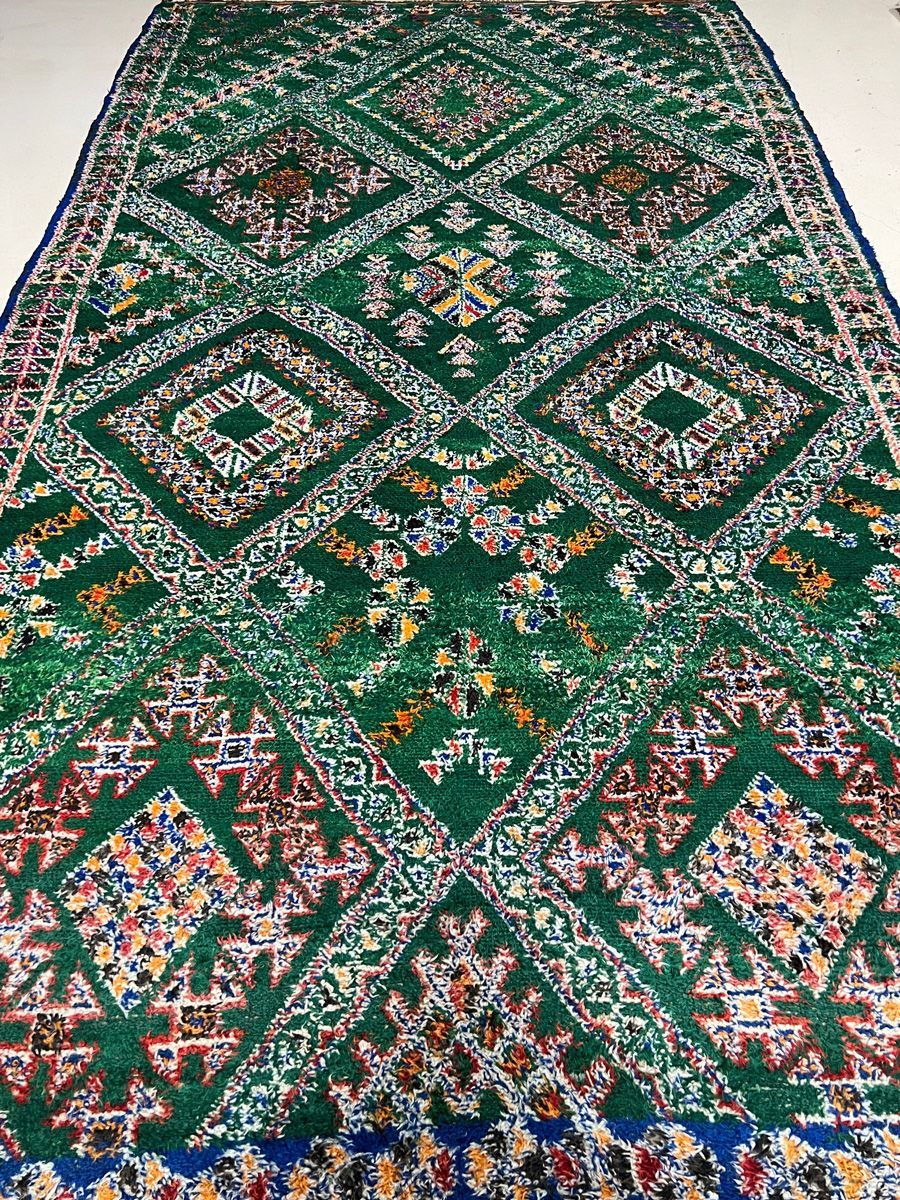
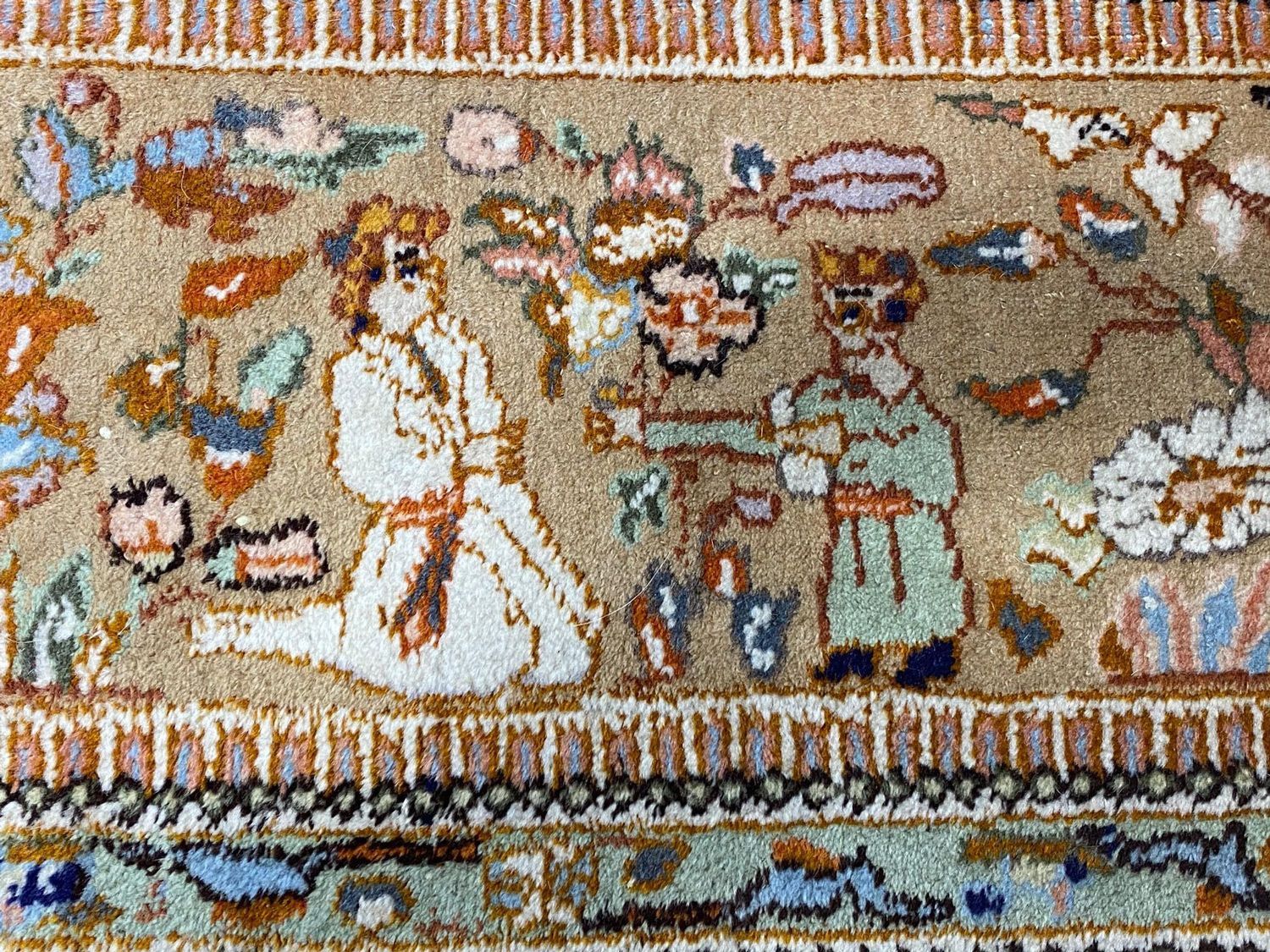
One of the most important characteristics of an Oriental rug is the use of hand-knotting, which creates a durable and dense pile. This technique allows for highly detailed patterns that can range from geometric designs to elaborate floral motifs.
Color is also an important characteristic of Oriental rugs. Many Oriental rugs use natural dyes derived from plants, minerals, or insects, resulting in deep, rich tones that age beautifully over time. Additionally, these rugs often feature symmetrical layouts, defined borders, and balanced compositions that contribute to their timeless appeal.
Traditional Weaving Techniques and Construction
The construction of an Oriental rug gives it its complexity and strength. Hand-knotting involves tying individual knots around warp threads, row by row, which can take months or even years to complete, depending on the size and intricacy of the design.
This method creates a strong foundation, but it also creates a beautiful design. Since every knot is tied by hand, Oriental rugs have varying densities, textures, and tensions. The foundation, pile height, and knot count all influence how the rug responds to cleaning, making it essential to approach each piece individually.
Why Rug Construction Affects Cleaning Methods
The construction of your Oriental rug directly affects how it needs to be cleaned. Oriental rugs, with their natural dyes and hand-tied knots, cannot withstand the agitation that comes with machine washing or the high temperatures from a mechanical dryer. That is why we hand-wash every rug that we clean and utilize a drying method that involves suspending the rug horizontally and allowing air to flow around it.
While we have methods that typically work for Oriental rugs, we create a customized cleaning strategy for your rug and its specific needs. Contact Aegis Fine Rug Cleaning today to find out more about how we can clean and preserve your prized possession.