Before Cleaning an Antique Rug: What Our Specialists Check
What Professionals Check Before Cleaning Antique Rugs
Antique rug cleaning requires a specialized level of care that goes beyond simply washing and drying the rug. For example, machine washing and drying can damage or even destroy an antique rug, largely because of the delicate fibers and fine dyes that are used in them. Aegis Fine Rug Cleaning understands the intricacies of cleaning and caring for antique rugs.
When we come to your home to pick up your rug, there are certain things that we look for to better understand what your rug needs.
Appreciating Rug Age, Origin, and Material
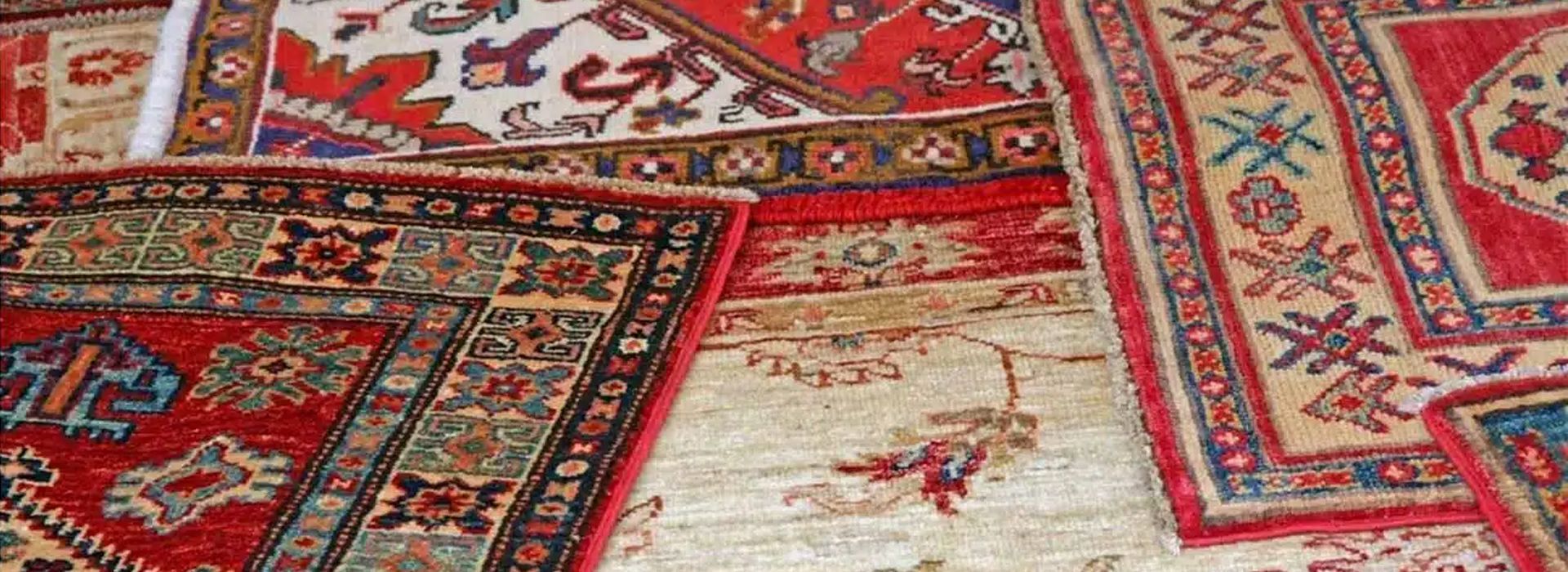
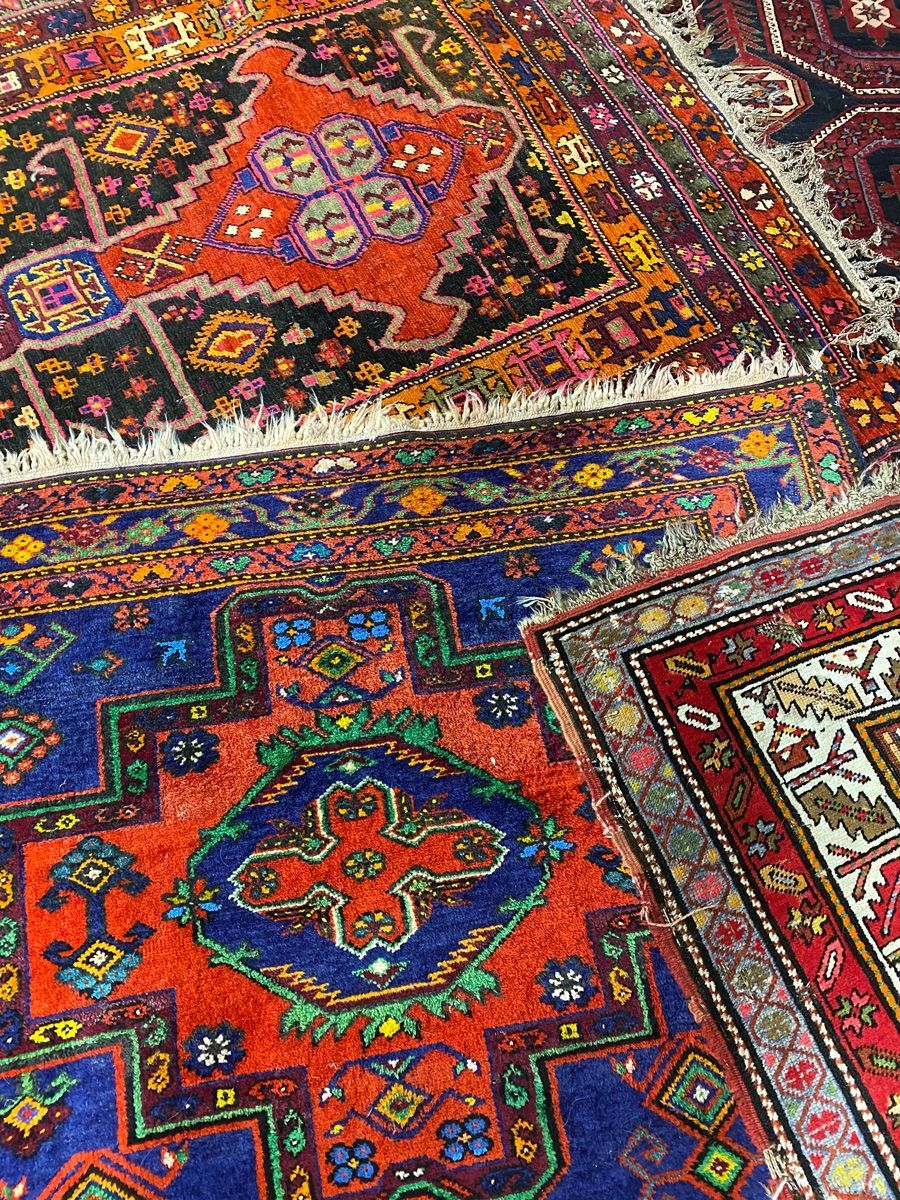
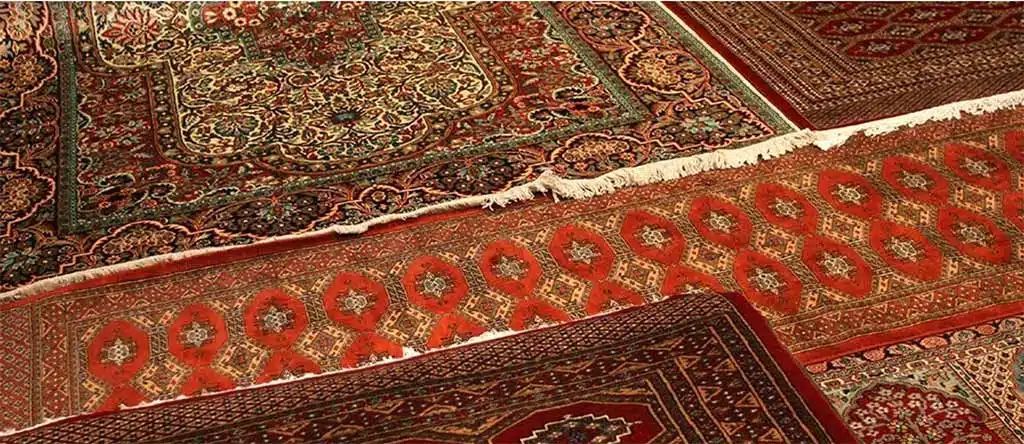
Antique rugs vary widely depending on where and how they were made, and those differences directly impact how they should be handled. Our cleaners carefully assess the rug’s composition, origin, and weaving technique. We also need to know if the rug is wool, silk, or a blend of natural materials. All of these factors impact cleaning techniques and the materials that we use.
Age also plays a role in how the rug responds to cleaning. Older rugs may have more fragile fibers or previous repairs that require extra caution. Identifying these factors early ensures that the cleaning process is tailored to the rug’s specific characteristics.
Evaluating Dye Stability and Colorfastness
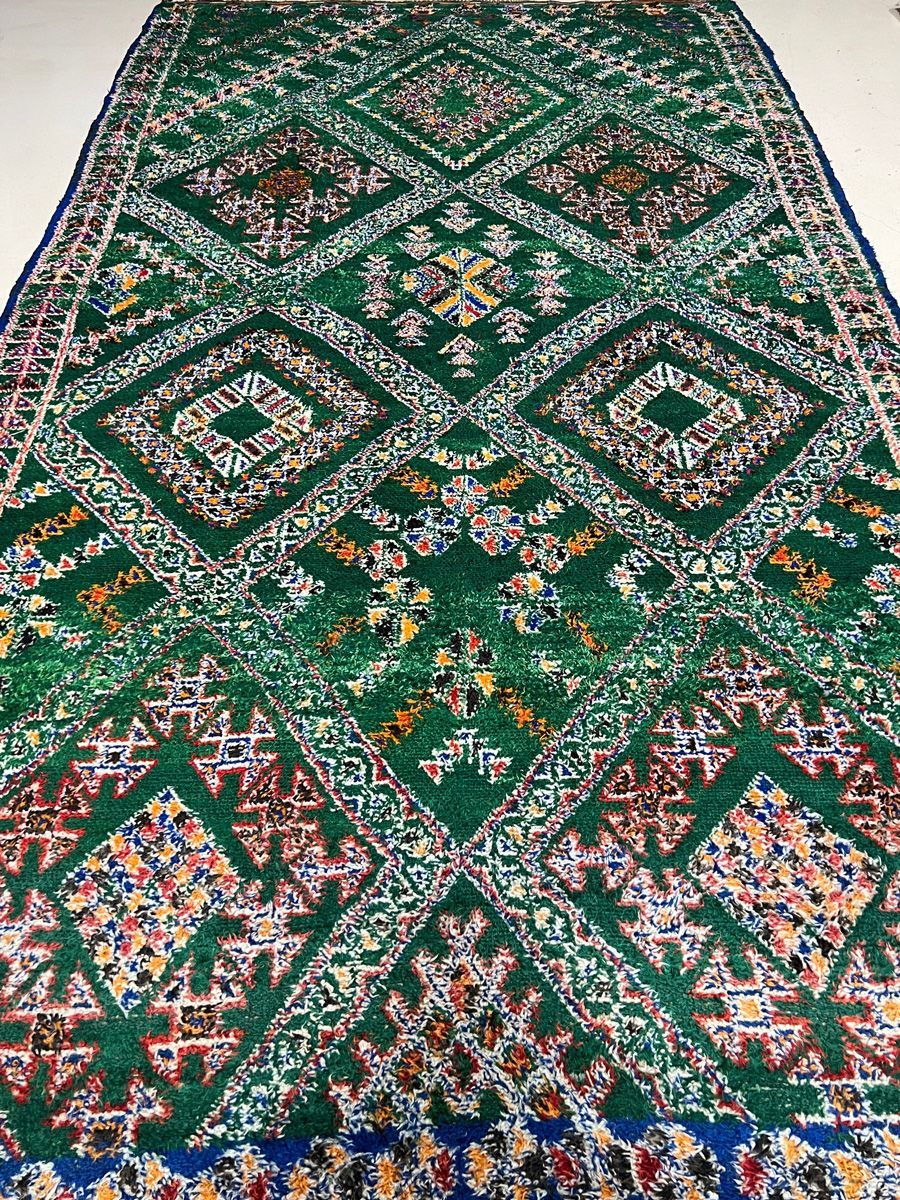
Antique and designer rugs typically feature natural dyes. While this certainly makes them more unique and beautiful, it also means that they are more sensitive to moisture and cleaning solutions. Before we start cleaning your rug, we carefully assess dye stability to determine whether the colors are prone to shifting or bleeding.
This step is critical for preserving the rug’s original appearance. Even slight color migration can alter intricate patterns or reduce contrast. By carefully evaluating colorfastness, specialists can adjust their methods to protect the rug’s design while still achieving a thorough cleaning.
Inspecting for Existing Damage or Weak Areas
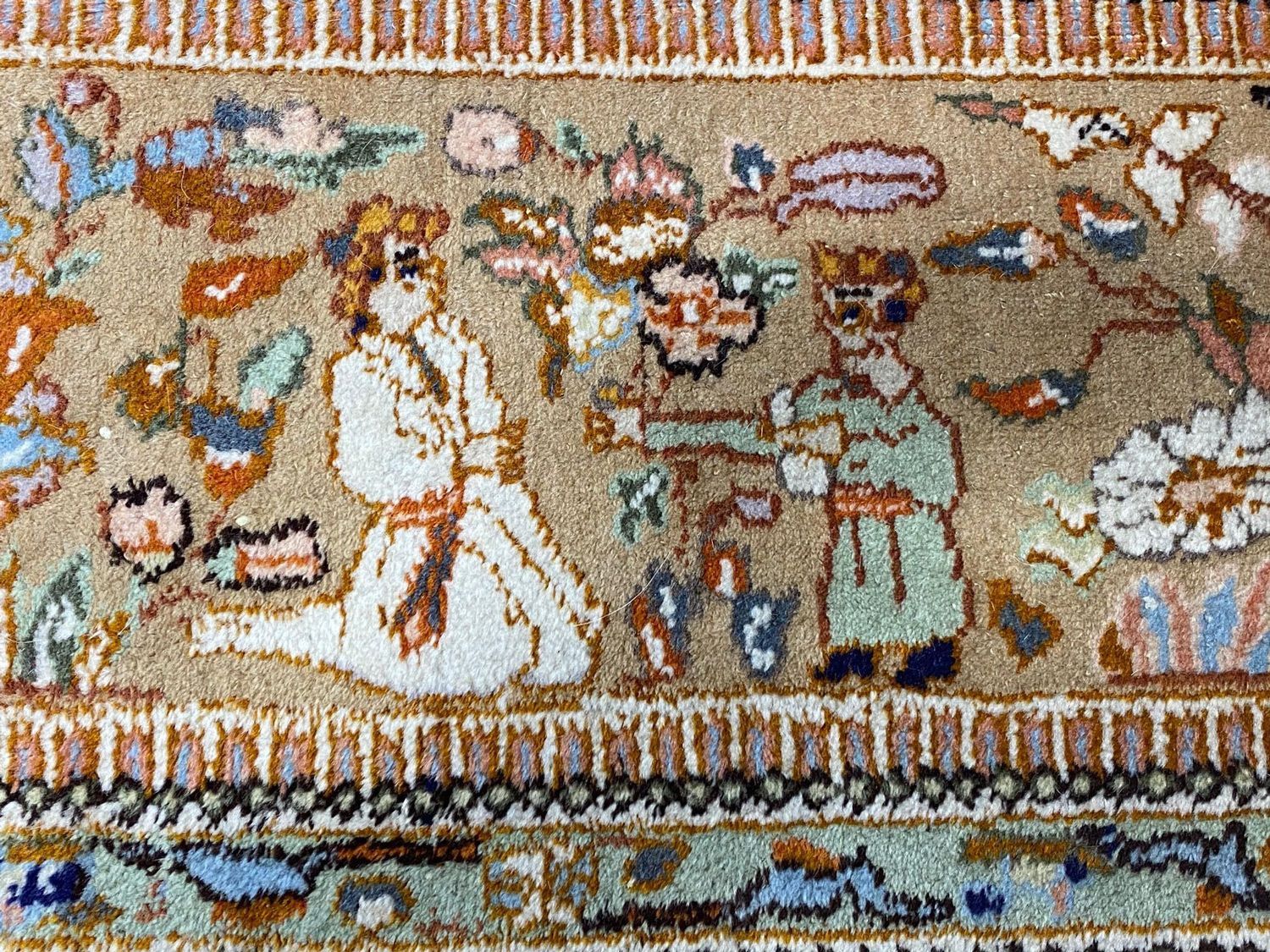
Over time, it’s natural for antique rugs to develop areas of damage and weakness. This is especially true if your rug is placed in an area that faces a lot of foot traffic, such as a hall or an entryway. These issues are not always visible at first glance, which is why a hands-on inspection is so important. Our cleaners will carefully search for thinning sections, damaged edges, or signs of previous repairs that could be affected during cleaning.
If your rug has damage, it doesn’t mean that it can’t be cleaned. Instead, we will adjust our strategy to prevent any further damage. In some cases, additional care or stabilization may be recommended to prevent additional wear during cleaning.
Checking for Stains, Spots, and Embedded Debris
Once we understand the composition and condition of your antique rug, we can look for stains, spots, and embedded debris. Dust, grit, and fine particles can settle deep within the fibers while stains may vary in age and composition. Each of these elements requires a different approach.
By understanding the severity of the staining or the level of debris in the rug, along with other factors that influence the cleaning process, we can create a tailored approach to cleaning your rug. Contact Aegis Fine Rug Cleaning today to learn more.